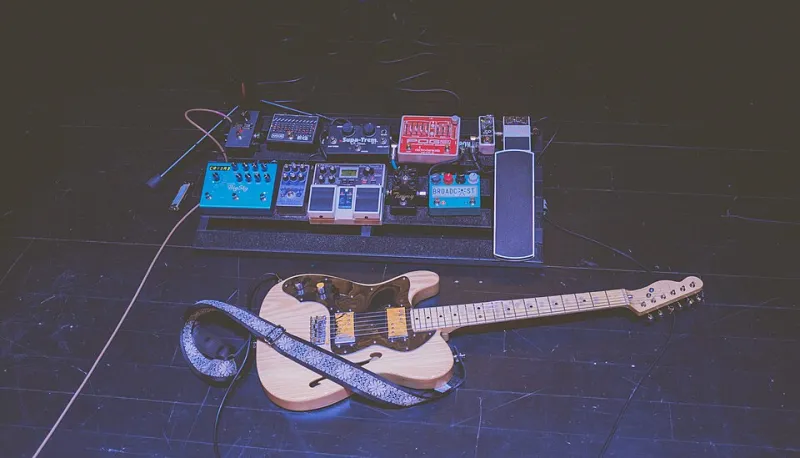
Scenic Route Songs: Why the Best Guitar Bands Refuse the Shortcut
The middle eight is where guitar bands stop behaving and start wandering. In small UK rooms, that detour is not self-indulgence — it is the whole point.
Guitar-led reflections from the UK underground
The middle eight is where guitar bands stop behaving and start wandering. In small UK rooms, that detour is not self-indulgence — it is the whole point.
Across UK grassroots venues, guitar bands are tucking photocopied fanzines between the T-shirts and the pedalboard cases. In 2026, the humble stapled sheet is becoming a slower, more human way to talk to the people who turn up.
Every band has a mate who says it sounded great. Fewer have someone who can tell them the vocals vanished in the second verse. This is a field guide to the designated listener: the unpaid, trusted ear at the back of a UK pub or DIY venue who helps guitar bands hear what the room actually heard.
The three-minute song is a useful format, not a law. Across UK underground venues in 2026, guitar bands are letting tracks stretch past five and six minutes again, using slow intros, repetition and dynamic release to turn small rooms into something more patient. This is why the long song still works, where it belongs in a support slot, and why the audience is the best effect pedal a band can ask for.
Small UK venues are under pressure on volume, and guitar bands are feeling it. But turning down is not simply a compromise: it can be a way to hear the room, the playing and the songs more clearly. A look at what the quiet amp debate really means for grassroots guitar music in 2026.
At small UK guitar gigs, the space between songs can be as telling as the songs themselves. From nervous banter to deliberate silence, dead air shapes pacing, atmosphere and attention. A reflection on why the best bands sometimes let the room do the thinking.
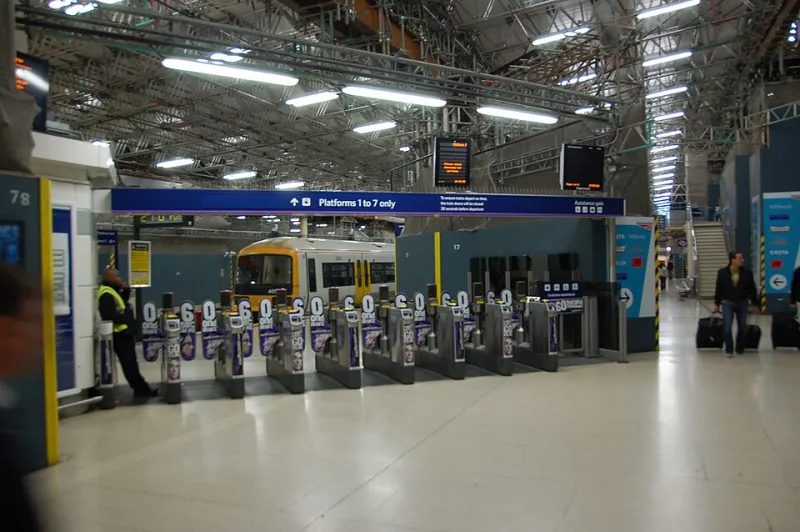
Last trains, rail replacement buses and Sunday engineering works are quietly redrawing the map of UK grassroots gigs in 2026. We look at how the timetable is shaping support slots, encore decisions and the venues that can still make a midweek night work.
The merch table is the most honest room in the venue: part shop, part listening post, part funding office for the next DIY tour. An opinion-led look at the post-show conversation and the small habits that turn a T-shirt sale into a long-term fan.
The amps are off, the house lights are up, and the real ritual begins: coiling leads, guarding your ears, and waiting for the last train with a song still stuck in your head. A guitarist’s guide to the post-gig wind-down — and why it deserves a place in the show.
No singer, no safety net, no chorus to hide behind — just six strings, a pedalboard and a room waiting to be convinced. Why instrumental guitar bands are finding bigger audiences in the UK underground in 2026, and what their set-building can teach the rest of us.
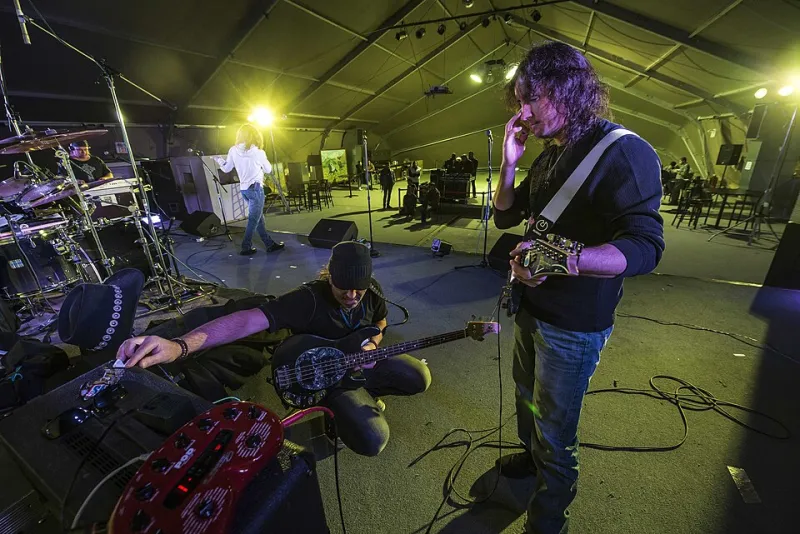
In a UK grassroots venue, the soundcheck is not admin before the gig; it is the first song, the first negotiation and the first test of a band's manners. Seven small-room rituals for turning a rushed check into part of the night.
As backline gets scarcer and costs rise, UK underground bands are leaning on informal gear-lending networks: borrowed amps, shared cabs, venue house kits and the quiet etiquette that holds it all together. It is not just economics. It is solidarity, risk and the future of the scene.
A practical field guide to the reverb, delay and loop settings UK guitar bands use to build introspective live soundscapes — plus listening notes and starting points for players chasing the same mood in 2026.
Headline acts get the posters, but the opening set is where UK guitar music is testing its most patient ideas. A look at the small rooms, sticky floors and slow-burn bands making the 20-minute support slot feel like the main event in 2026.