Between the Songs: How Dead Air Became a Guitar-Band Skill

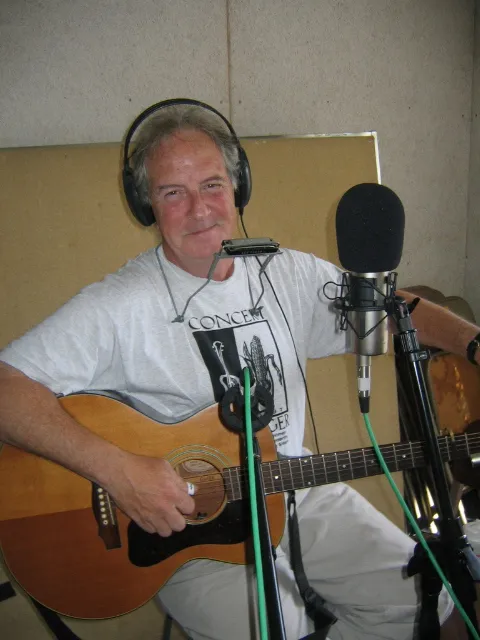
Photo: quiet small music venue stage between songs guitar amp microphone, via cdn.powerofpositivity.com
The last chord rings out. The drummer lets the cymbals decay. The singer steps back from the mic, looks at the floor, then bends down to adjust a pedal. Nobody says anything. Ten seconds pass. Maybe fifteen. The room settles into a low murmur, then quietens again. It feels less like a gap and more like a held breath. Then the next song begins, and it lands harder because of the silence that came before it.
That moment — the dead air between songs — is one of the most misunderstood parts of a small guitar gig. For some bands it is a problem to be filled with banter. For others it is an instrument in its own right. In the back rooms, basements and pub venues of the UK underground, the space between the songs is where a set either tightens or falls apart.
The Banter Trap
Stage banter is a tradition. The singer says thanks, names the band, says something about the next song, maybe makes a joke about the town they are playing. At its best, banter is warm and disarming. It makes a small room feel human. At its worst, it turns a set into a series of interruptions. The band loses the spell. The audience starts checking their phones. The silence that follows is not atmospheric; it is awkward.
The trap is that many bands feel they have to say something. They have been told that dead air is bad, that the audience will lose interest, that a gig is a performance and performances are supposed to be filled. So they fill. They mumble. They thank the promoter for the third time. They make a joke about the drive. They ask if anyone is from around here. The room responds politely, but the tension does not break. It just moves.
What Silence Does to a Room
Silence does something different. In a small venue, the audience is close enough to hear the amp hum, the squeak of a guitar strap, the drummer shifting on the stool. That low-level noise becomes part of the atmosphere. When the band stops playing, the room does not become empty. It becomes full of itself. The ears adjust. The attention gathers. The next song feels like it has been placed rather than rushed.
There is a physical element to it too. In a small room, the decay of a guitar chord or a cymbal can last for several seconds. If the band immediately talks over it, the sound is cut short. If they let it ring, the room absorbs it. That is not dead air. It is resonance. It is the sound of the band trusting the room to carry the moment.
Pacing, Eye Contact and the Unspoken Setlist
A set is not just a list of songs. It is a sequence of transitions. The pause before a quiet song can make it feel like a confession. The pause before a loud one can feel like a countdown. The best bands use those moments deliberately. They look at each other. They nod. They let the singer step back or the drummer count in with a glance rather than a shout. The silence becomes part of the choreography.
Eye contact matters here. In a small venue, the audience can see everything. A band that looks lost between songs looks lost. A band that looks like it knows what it is doing can hold a room without saying a word. That does not mean every band should be moody and silent. It means the silence should be intentional. There is a difference between dead air and a deliberate rest.
When the Room Thinks With You
Fans of guitar music often talk about atmosphere. It is a slippery word, but it usually means the feeling that the band and the audience are in the same room, experiencing the same thing. Banter can create that feeling. So can silence. The key is whether the band is controlling the room or just filling it.
I have seen bands say almost nothing between songs and still hold a room completely. I have also seen bands with excellent banter lose the room because the music felt like an afterthought. The difference is not chatter versus silence. It is intention versus nerves. A band that lets the room think is not being cold. It is giving the audience something to do: listen, look, wait, feel.
Learning to Leave Space
The art of saying nothing is not about being mysterious. It is about trust. Trust that the songs are strong enough to stand without a introduction. Trust that the audience can handle a few seconds of quiet. Trust that the room will carry the sound if you let it. In 2026, when so much of daily life is noisy and rushed, a bit of dead air in a small venue can feel radical. It can also feel generous.
So next time you see a guitar band pause between songs, watch what happens. Watch the room settle. Watch the band breathe. Watch the next song arrive with a little more weight. The silence is not a mistake. It is part of the performance. And in the best small gigs, it is often the part you remember.