Ten Minutes After the Last Chord: Why the Merch Table Is the Real Encore
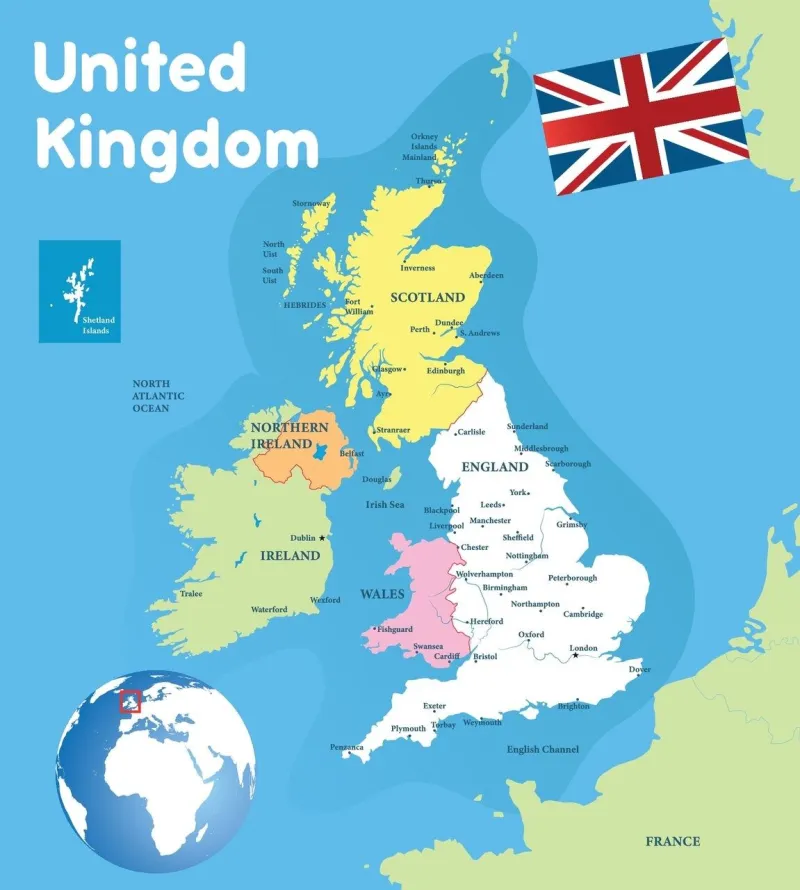
Photo: UK band merch table with vinyl records and T-shirts in a small music venue, via i.pinimg.com
I have never learned more about a guitar tone than I have standing behind a folded table with a card reader and a stack of shirts. The stage tells you what a band wants to sound like. The merch table tells you what actually landed.
That is not a romantic idea about DIY culture. It is a practical observation from too many UK grassroots gigs in 2026. After the last chord, the venue splits into two rooms. One is loud and full of people saying goodbye. The other is quiet and full of people thinking about what they just heard. The merch table is the second room.
The Most Honest Room in the Venue
The stage is a performance. The merch table is a conversation. Someone leans over and says the second song was the one. Someone else asks how you got that sound and you have to admit it was the borrowed amp, not the new pedal. A teenager buys a shirt because the artwork is good, then asks what tuning the last song was in. These are not transactions. They are reviews with cash attached.
At a pub upstairs in Bristol last year, a person bought a shirt and then asked why the band had not played the slow one. The slow one was the best thing in the set. It had been cut for time. The next night, it went back in. That is the merch table doing the work of an A&R meeting, a fan survey and a setlist editor all at once.
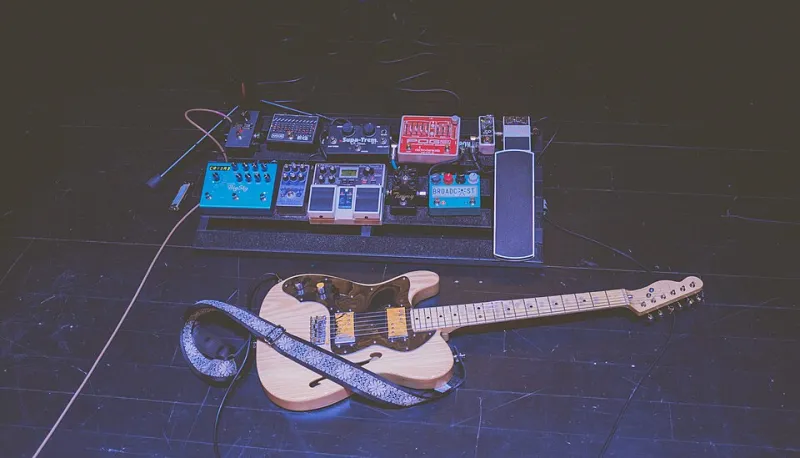
At a Leeds show, someone asked about the fuzz pedal. The guitarist admitted it was a borrowed unit and did not know the model. The conversation turned into a pedal swap, then a support slot, then a split single. None of that happened on stage. It happened over ten minutes beside a pile of tote bags.
What the T-shirt Cannot Tell You
Merch is funding, but it is also feedback. A shirt sale is a vote. A question is a review. The mistake is treating the table as a shop and nothing else. If you stand behind it like a lost luggage desk, people will treat you like a lost luggage desk. If you stand there like someone who wants to know what the room heard, the room will tell you.
The most useful thing a band can learn at the merch table is not which design sells. It is which song people mention without being prompted. If three people say the vocals were buried, that is data. If one person says the reverb was too much, that is a preference. If nobody mentions the new pedal, it might not be doing the work you think it is. Tone is not just what comes out of the amp. It is what survives the journey home in someone else's memory.
The Ten-Minute Rule
Ten minutes is the window. After ten minutes, the room clears or the conversation turns to last trains and bus replacements. The ten minutes after the last chord are not an encore. They are the real second set.
Practical notes, then, from someone who has watched a lot of these conversations go well and badly:
- Stand up. Do not sit behind the table like you are guarding a museum exhibit.
- Keep one shirt visible, one record visible and one clear price list. Confusion is a sale killer.
- Put the setlist on the table. Circle the song people keep mentioning. It is a useful prompt.
- Carry a card reader and a charged phone. Cash is nice; card is expected in 2026.
- Have a mailing list QR code, not just social handles. Socials are rented. An email list is yours.
- Ask one honest question: 'Which song stayed with you?' Not 'did you enjoy it?' The first invites a real answer. The second invites a polite one.
- Listen to the answer without defending the set. Thank them. Think about it on the drive home.
- If someone says they will come to the next gig, tell them where it is. Be specific. 'We are at the Fulford Arms in March' is better than 'we will be back soon'.
- Write down one thing you heard. Use it at the next soundcheck. That is how a conversation becomes a craft.
Tone Is a Conversation, Not a Button
Gear and tone writing usually lives in the details: valve types, speaker swaps, the difference between a long tail and a short one. All of that matters. But the merch table is where tone becomes social. It is where you find out whether the room heard the thing you thought you were playing.
A band can spend months refining a sound in a rehearsal room and then discover at the table that the audience mainly remembers the backing vocals, or the silence before the last chorus, or the fact that the guitarist stopped playing for a bar and let the room breathe. That is not a failure of gear. It is information.
The Long Game
The merch table is not a shop. It is a listening post with a cash box. The underground survives on small transactions: a shirt, a CD, a fiver in a bucket, a follow on the mailing list. But the real transaction is attention. Someone has given you ten minutes after a long day and a longer train home. What you do with those ten minutes says more about your band than the closer did.
In 2026, with set times squeezed and last trains early, the ten minutes after the last chord might be the only unhurried conversation of the night. Use them. The encore is not the extra song. It is the bit where you find out what the songs did.