The Cash Tin Knows First: Notes From a Night on the Door
Photo: Photograph by Mike Peel (www.mikepeel.net)., CC BY-SA 4.0, via Wikimedia Commons
The first thing you learn on the door is that you are not selling tickets. You are setting a temperature.
It's a Friday in early November and I'm sitting on a stool at the top of a narrow staircase above a pub in Sheffield. Ninety capacity, maybe. The room is a rectangle with a low ceiling, a stage that's really a corner, and a radiator that clanks in a rhythm almost useful enough to be a song. Doors at seven-thirty. The first band are still loading in, which means walking a bass cab through the bar past people eating chips.
I've got a cash tin, a guest list on a clipboard, a roll of blue wristbands, and a laminated sheet telling me what time each band finishes. That sheet is the whole evening. Everything else is hospitality.
Before the Doors
Arrive early and the room looks worse than it will. Chairs pushed against the walls, a stray pint glass on the corner of the stage, someone's coat over a speaker. The promoter is doing four jobs at once and visibly losing one of them.
The first sign of life is the drummer from the opening band, who comes up the stairs at seven-fifteen carrying a box of T-shirts and a look of mild devastation. 'People will come, won't they?'
They will. Not because of the algorithm — because of what happens next, which is entirely made by hand.
First Hellos
The first arrival is a man in his fifties who knows the promoter and doesn't need the wristband explained. He asks what the first band is like. I say I don't know. He gets a pint and stands front-centre for the entire night, arms folded, and is the most attentive person in the building.
The second arrival is a couple in their twenties who bought tickets online and have a name on the list that takes ninety seconds to find. During those ninety seconds you can watch a person decide whether they are in the right place. The job, in that moment, is to be unhurried. Hospitality is mostly speed with the appearance of patience.
By eight there's a queue on the stairs. And this is what the door actually does: it turns a scatter of individuals into a room before anyone has played a note.
Cash, Change, Conversation
A cash tin forces contact. Card readers are fast and wordless; a five-pound note and a request for two pound coins is a small, warm transaction with a conversation built into it.
I learn things. The bloke in the cap has come because he saw the opener at a house party in Rotherham. Two students are here for the middle band, who are apparently very good at what they do, which they describe with a downward hand gesture. A young person with a snare drum is here to watch and has paid in, which seems unfair, so I let them in on a guest spot that the promoter hasn't strictly authorised. Note: all door volunteers eventually invent a small piece of policy.
The Nervous Plus-One
The most important person on the door is the one who has come alone to watch somebody else.
They arrive with a coat they might not remove for an hour. They've been told the band is good but they don't know how loud it will be. They hover near the staircase doorway, which is the only place in the room where you can leave quickly.
You can't fix nerves, but you can move them. You introduce them to the person selling merch. You say the band will be on in about twenty minutes. You make the room legible. In a room this size, one handshake changes a whole person's evening — and, from the stage, a room with two or three anxious faces at the back reads completely differently to a room with none.
When the Room Decides
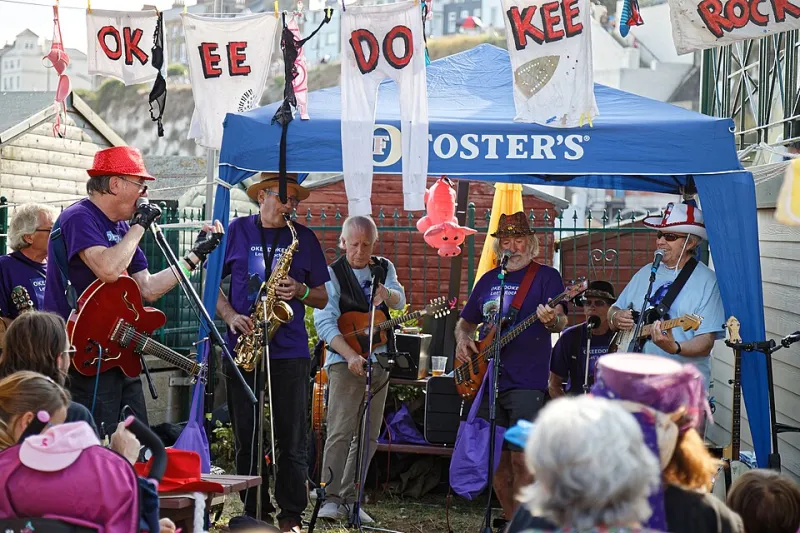
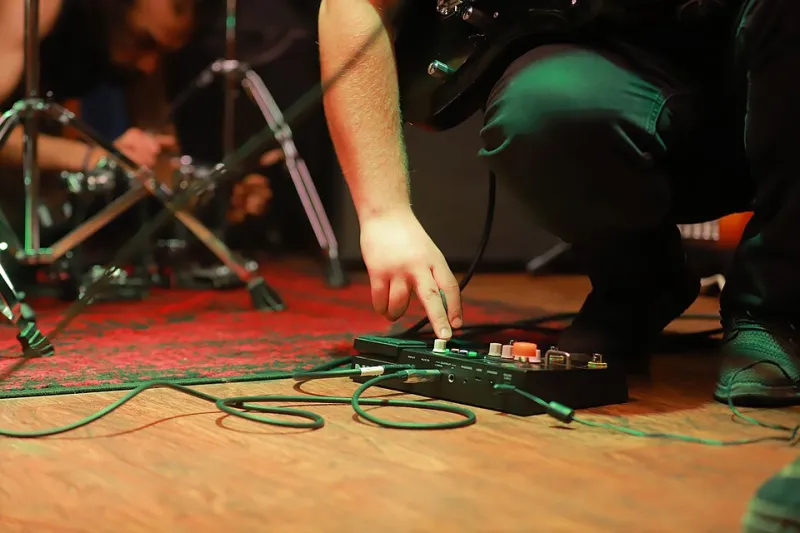
Here's the thing about the front table: you can feel the set before you hear it properly. The first band are a loud three-piece with a fuzz pedal they are not afraid of. For about two songs the audience stands in a polite horseshoe, drinks held defensively. Then something tips — a faster number, a guitar saluting the ceiling, the singer saying one good-natured thing that lands — and the horseshoe loosens. People move three feet forward and the room changes temperature.
That shift is the whole night. The band feel it. The amp settings don't change, but the room is suddenly playing back at them, and everyone plays better.
What the Door Hears That the Stage Doesn't
The middle band worry all through their set-up about the sound. From up here, they sound great. The low ceiling that they're cursing is doing them a favour; the hard walls are putting the drums everywhere. Between songs, two people who came for the second band tell me the opener was the best thing they've heard in months. That information will reach the opener in the smoking area, and it will make their month.
Saturday's review is written by a person on a bus at 11pm on Friday, and the door is where they got the first draft.
After the Last Chord
The cash tin gets counted on the floor by the merch table. The acts split the door sheet with a calculator and a certain amount of good faith. Coats come back on. Somebody finds a single glove and props it on the radiator in case.
By half eleven the room is a room again — chairs still out of place, drum kit half dismantled, the radiator still clanking. The glow disappears in about eighteen minutes. It always does.
But it started at seven-thirty, on a stool, with a hello and a tin of coins and a person deciding whether to take their coat off.