The Cardboard Census: Why Five Streets Beat an Algorithm
Photo: _Libby_, CC BY 2.0, via Wikimedia Commons
Somewhere in a group chat in Leeds, there is a spreadsheet with twelve tabs. Each tab has a band name, a track title, a running time, and a box marked 'mastered?'. The spreadsheet is the least romantic document in music. It is also, right now, the engine behind one of the most interesting things happening in the UK's guitar underground: the hyper-local compilation.
Not a label sampler. Not a streaming playlist with a mood-board cover. A physical, finite object — cassette, CD, or a short run of lathe-cut vinyl — made by people who live within a few bus stops of each other, pooling tracks, artwork and pressing costs so that a scene can hold itself in its hands.
The £340 question
The first meeting is usually about money. A run of 100 cassettes with printed shells and a folded sleeve might land between £150 and £250, depending on how much of the artwork you do yourself. A hundred CDs in card wallets is cheaper still. Lathe-cut vinyl is the romantic option and the expensive one: a short run of 30 can cost £300 or more before you have paid for sleeves, and each disc is cut in real time, one at a time.
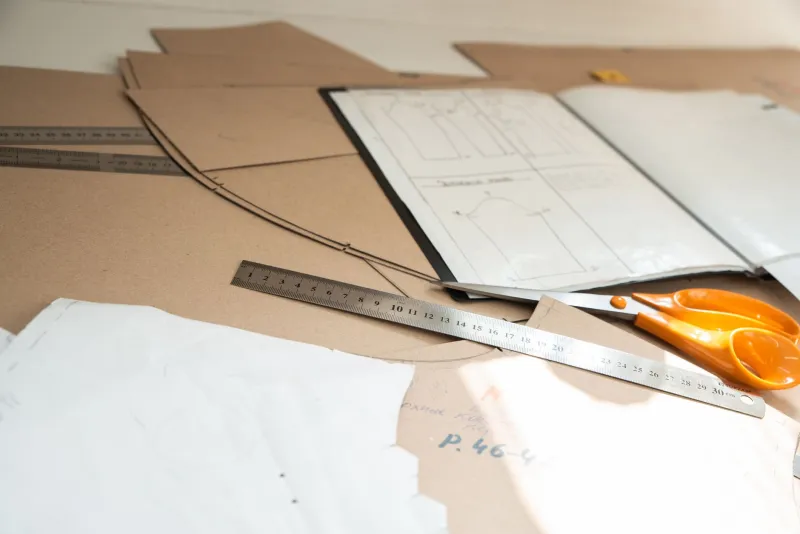
So the compilation becomes a small cooperative. Twelve bands chip in £20–£30 each. Someone's cousin does the mastering for a favour and a credit. Someone else works a photocopier after hours. The artwork is risograph, or screen-printed in a kitchen, or drawn by the singer of the third band on side A. The spreadsheet grows a second tab: 'who owes what'.
The point is not profit. In most cases, the first money back goes to costs, then to a local venue fund, a practice-room kitty, or the next compilation. What the object does is make the scene legible. It says: these twelve acts exist, they are near each other, and they are willing to be counted.
Twelve tracks and a photocopier
Track order is where diplomacy happens. You cannot put all the loud bands at the start, and you cannot put the one acoustic track at the end as a punchline. Someone will argue for sequencing by tempo; someone else will argue for geography. The best compilations feel like a walk through a neighbourhood — a post-punk opener, a shoegaze middle, a slow, feedback-heavy closer that gives the listener time to come down.
The artwork matters more than it should. A compilation is a scene report, and a scene report needs a cover that looks like it came from here rather than from a stock library. Photocopied gig flyers, a photo of the bus shelter where someone waited after a show, the venue's hand-painted sign. These are not nostalgic gestures. They are evidence.
Mastering is a group project
Here is the unglamorous truth: the difference between a good compilation and a bad one is often not the songs but the levels. Bands record in bedrooms, rehearsal rooms, and the back of a van with a laptop. One track arrives at -6 LUFS and another at -16. Someone has to make them sit together without squashing the life out of either.
In 2026, that job usually falls to the person in the group with the best ears and the worst boundaries. They normalise, they sequence, they send notes. It is a form of curation that never gets a credit on the sleeve, and it is the reason a compilation can be listened to from start to finish without reaching for the volume knob.
The lathe-cut lottery
Lathe-cut vinyl has become the prestige format for these projects, partly because it is beautiful and partly because it is slow. You cannot rush a lathe. Each disc is cut individually, which means a run of 25 takes days, not hours. The sound is not always pristine — surface noise is part of the deal — and the lead times can be longer than the shelf life of the band that ordered it.
But the object is undeniable. A lathe-cut in a hand-stamped sleeve, with a photocopied insert listing every band and every venue they have played this year, is not a commodity. It is a small monument. Cassettes, meanwhile, remain the workhorse: cheap, quick, and easy to sell from a merch table for £6. CDs still exist for the people who want them, and the download code is the quiet peace offering for everyone else.
A merch table with a sense of place
The compilation's natural home is the merch table at a local gig, wedged between a tote bag and a stack of stickers. It sells because it is a bundle of familiarity: you have seen four of these bands, you know the person who drew the cover, and you want to take a piece of the night home. It also sells online, but the online sale is a transaction; the table sale is a conversation.
Bands split the takings in different ways. Some pay the pressing bill first and split the rest. Some give every act ten copies to sell at their own shows and keep the money. Some press 50 and give them away to the people who helped. There is no standard model, which is part of the point. A compilation is a temporary constitution, written by whoever is willing to do the admin.
What the algorithm cannot do
A playlist can tell you what is popular near you. It cannot tell you who is playing the back room of a pub on Thursday, who has a spare amp, who is mastering other people's tracks for free, and who is willing to spend a Sunday folding sleeves. A postcode compilation does all of that, and it leaves a physical trace.
In a year when the phrase 'local scene' gets used to sell almost anything, the compilation is a useful corrective. It is small, it is specific, and it is made by people who will see each other at the next gig. Twelve tracks and a photocopier will not change the music industry. But it will tell you, honestly, what is happening on five streets near you — and that is worth more than another algorithm playlist.